Towards SDV and AI-defined? Fix the organization first
RemotiveTalk #3: Augustin Friedel (MHP) on SDV maturity, the road to AI-defined vehicles, and why the organization sets the pace.




SDV maturity and the road to AI-defined
Every OEM wants to become software-defined, and now AI-defined too. For RemotiveTalk #3, we invited Augustin Friedel from MHP, one of the best-known SDV voices in the industry, to share what he sees in real vehicle programs. Emil Dautovic and our CEO Per Sigurdson joined him. Their main message: the organization, not the technology, sets the pace.
[nfobox]About Augustin Friedel
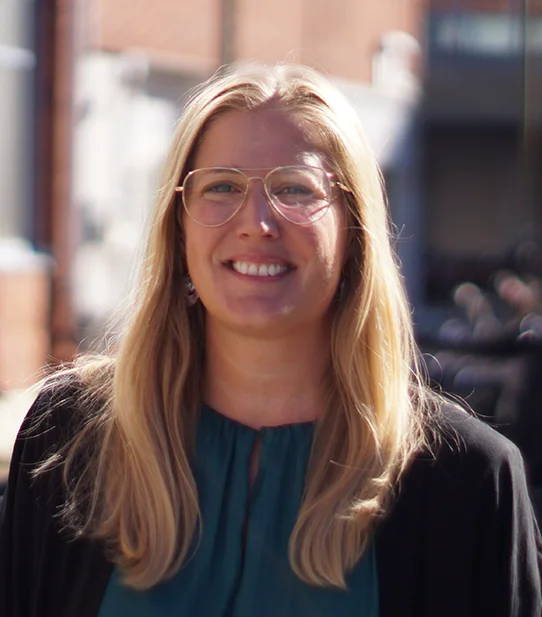
Augustin Friedel is Associated Partner at MHP, working with automotive OEMs and suppliers on the transition to software-defined and AI-defined vehicles. He connects strategy, technology and execution, and shares SDV insights with close to 65,000 followers on LinkedIn. Connect on LinkedIn.
[/nfobox]
Augustin Friedel (MHP) joins Per Sigurdson and Emil Dautovic (RemotiveLabs) to discuss what separates OEMs that industrialize SDV from those still drawing architecture slides, and what it takes to become AI-defined. Unfortunately, Augustin's video recording didn't work, but the message still came through well.
Seven takeaways for SDV and AI-defined leaders
- Fix the organization before you pick technology. Think of how to work first, then break silos and restructure and last provide the teams with the right tools and stack to enable them.
- Think platforms, not projects. Reuse and shared standards across the portfolio drive both speed and cost.
- Measure delivery, not initiatives. Count your ability to ship and improve software, not your number of software projects.
- Blend bottom-up and top-down. Engineers adopt new ways of working; management keeps the change alive.
- Hunt the waiting time. Test slots, supplier answers and internal decisions often slow programs more than engineering does.
- Build the SDV foundation before AI. Configuration management, shared signal databases and vehicle-as-code come first.
- Start with one feature. Take it from requirements to validated release, learn, then scale.
From SDV maturity to AI-defined
Augustin sees three stages of SDV maturity. Some OEMs still develop software per ECU project. Others have a new software unit but struggle to merge it into their hardware programs. A few have industrialized the approach, with continuous integration and virtual-first validation.
The gap has little to do with tools. "If I needed to speed up, I would not start with selecting the new piece of technology. I would start with working on the organizational part first, then the portfolio part second," Augustin says. Per agrees: "The architectures are changing quite fast, but the organizations, the mindset and the silos are harder to change."
The same logic applies to AI. "Building an AI-defined vehicle without the SDV foundation does not work," Augustin says. He also warns against "lipstick AI", meaning AI assistants added on top of existing products for a press release. For Per, the foundation means configuration management, databases and everything as code, so people and AI tools have a common place to thrive in and where stuff can be easily reused.
[nfobox]How RemotiveLabs supports the SDV foundation
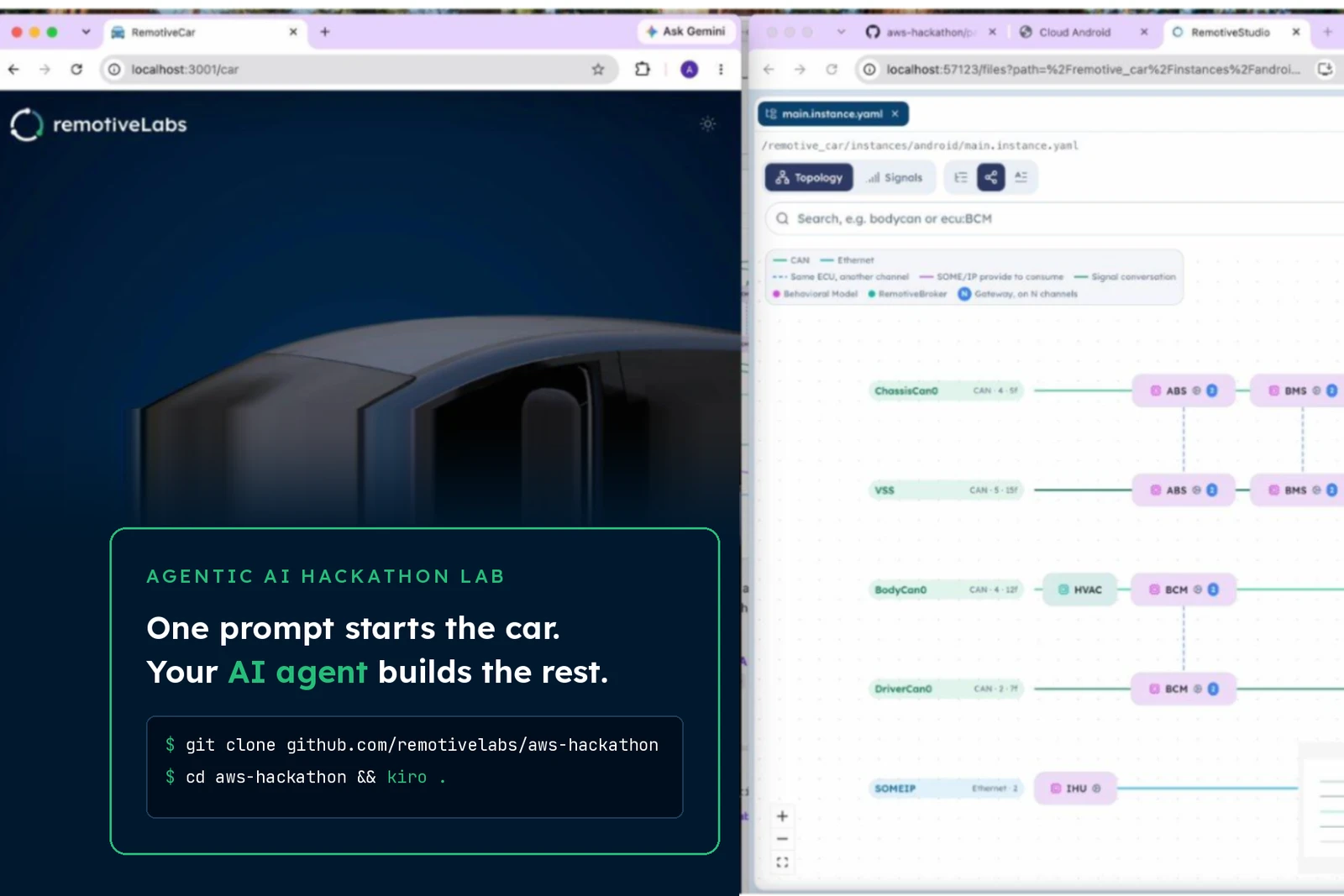
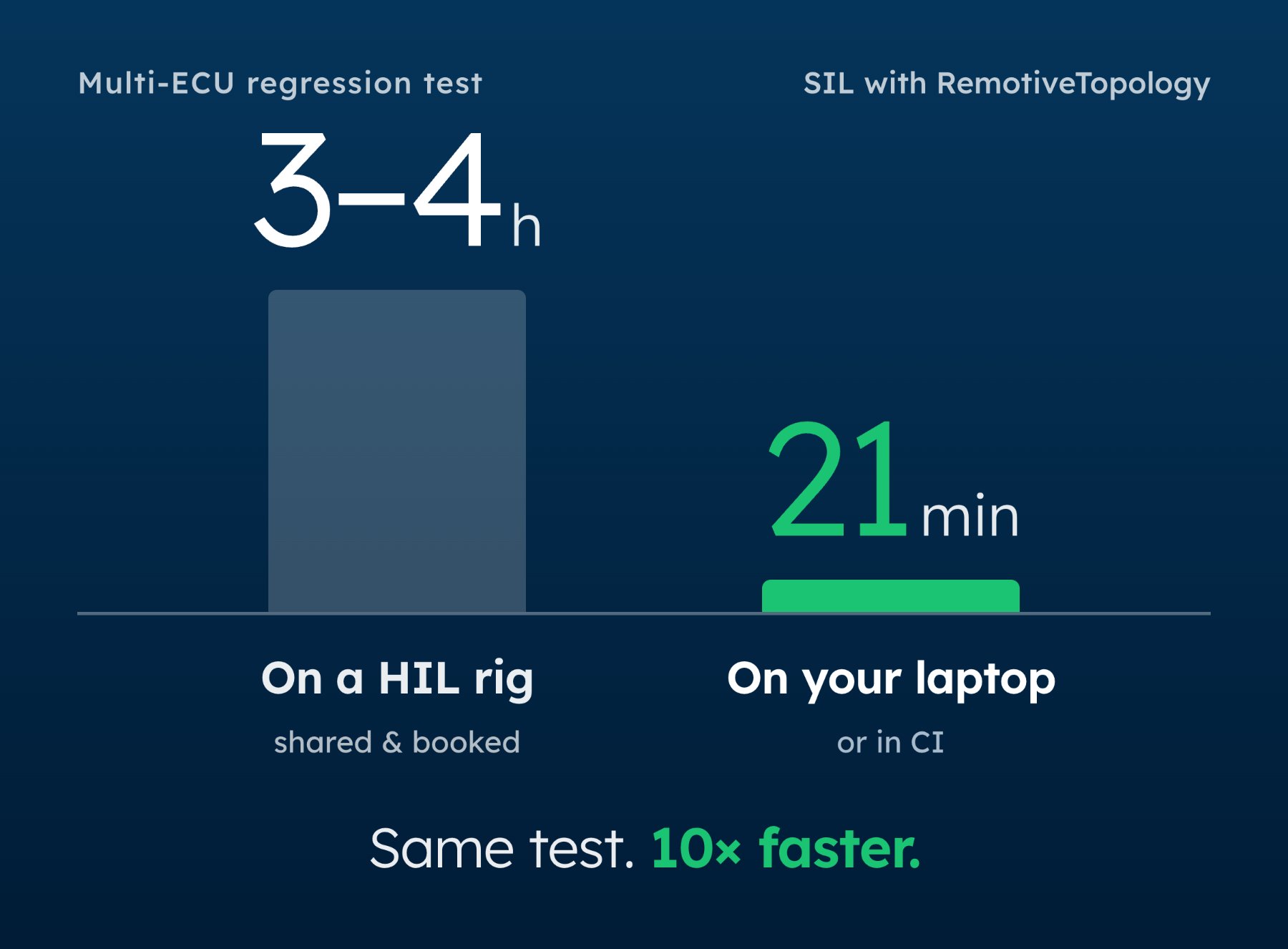
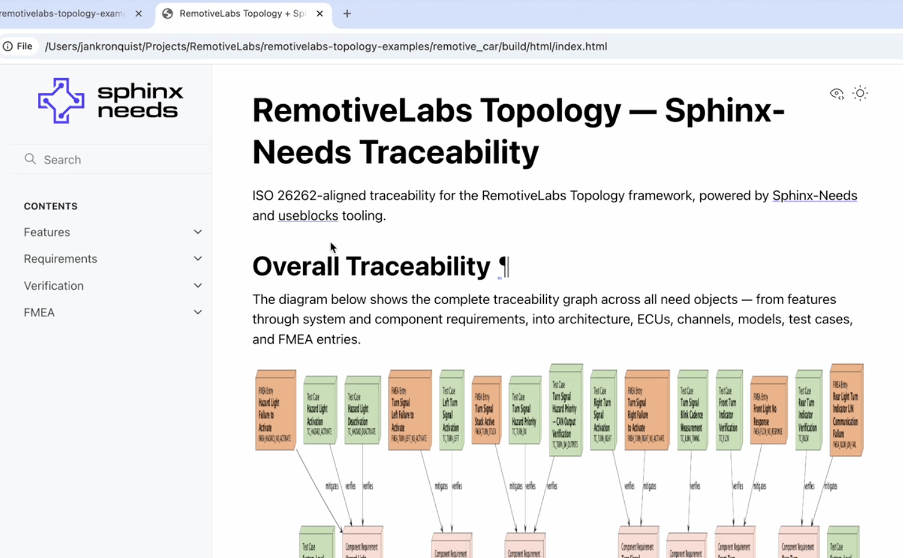
In the talk, Per Sigurdson names the prerequisites for SDV maturity: configuration management, shared signal databases and everything as code. RemotiveTopology provides that infrastructure with Vehicle-as-Code. Teams, and their AI agents, stop waiting for hardware and integrate early against a virtual vehicle that matures over time. The same tests run in SIL and HIL, which breaks down silos between teams. Virtual models from suppliers can join integration testing long before hardware arrives.
[/nfobox]
Speed comes from less waiting
"It's easy to put 'China speed' on a PowerPoint slide, but what does it actually mean?" Emil asks. Augustin's answer is practical: "I think it's the wrong direction to copy China. That never worked." His lever is waiting time: test slots, supplier responses and make-or-buy decisions.
Per takes that into procurement. "You might need to include that the first delivery is a virtual model, not the finished product that comes much later." Augustin notes that Chinese OEMs often partner first and build later, while keeping the control points. Partnerships that work need a clear win-win, fast conflict resolution and KPIs that get reviewed.
So what would Augustin do as a new CTO on his first Monday at work? Pick one feature and take it all the way to a validated release. "But don't overstretch it."
Check out the latest from us





Join the automotive rebels that #getstuffdone with RemotiveLabs!